
Morgann LeLeux and The Superhuman Protocol
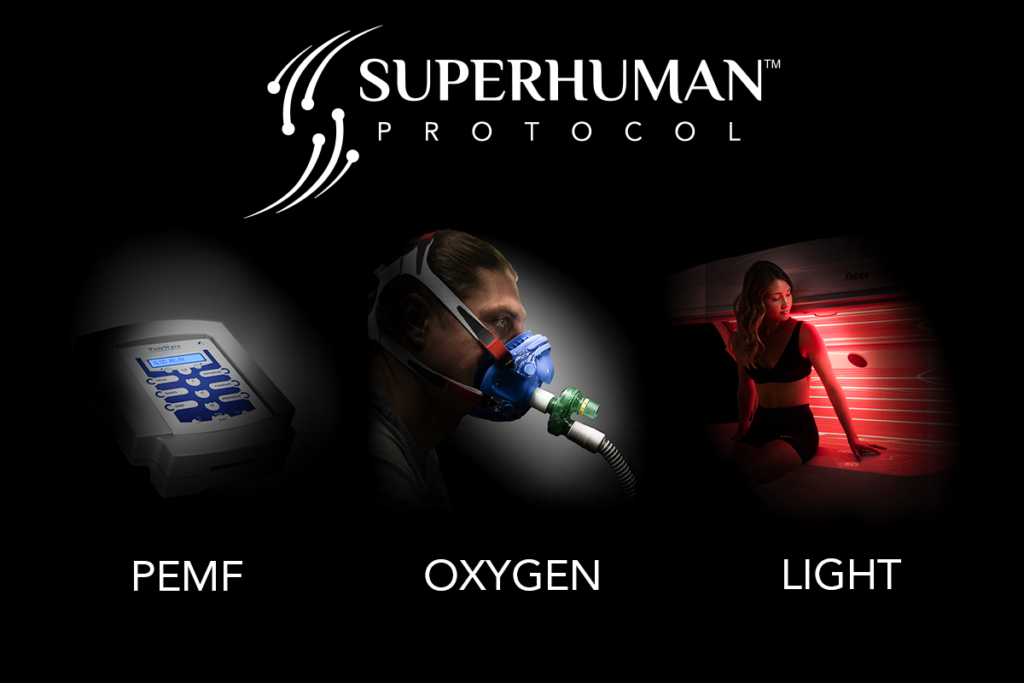
Imagine unlocking peak performance, faster recovery, and better energy—all in just 40 minutes per session. The Superhuman Protocol promises a new way to fast track and improve your overall health. Morgan Leleux Romero is an athlete from Louisiana who specializes in the pole vault. If you are an athlete like Morgann, a health enthusiast, or someone with chronic fatigue or pain, this new therapy might help you. It could make a huge difference in your life. Here’s a full breakdown of what it is, how it works, and why people are calling it the future of healing. What Is the Superhuman Protocol? The Superhuman Protocol is a three-step treatment. It uses biohacking to recharge your body at a cellular level. This method relies on magnetism, oxygen, and light. These are three elements we need but often lack in modern life. Each session lasts only 40 minutes, combining Pulsed Electromagnetic Field Therapy (PEMF), Exercise with Oxygen Therapy (EWOT), and Photobiomodulation (PBM). The process is fast, non-invasive, and already delivering transformational results for elite athletes and everyday people alike. Watch Morgann´s Superhuman Protocol experience at The Nerve Health Institute. Step 1: Recharge with Magnetism (PEMF Therapy) The first step begins with a PEMF mat, by lying on the mat for just 8 minutes, and the mat will begin to charge your 30 trillion cells. It restores the magnetic energy many of us have lost in today’s world. How does magnetism affect your body? Our ancestors who walked barefoot on the ground absorbed the Earth’s natural magnetic field, which was about 2.5 gauss. Today, that magnetic field has dropped to roughly 0.5 gauss because of pollution, urbanization, and electromagnetic interference. As Dr. Chris Cormier explains: “We wear rubber shoes, walk on concrete, and rarely touch the Earth anymore. Our cells are starving for magnetic charge.” PEMF therapy improves blood flow, helps cells work better, and opens capillaries. This prepares your body for what comes next. Step 2: Breathe Life into Your Cells with EWOT (Exercise with Oxygen Therapy) After you prime your blood vessels, you move to the oxygen therapy room for EWOT—a powerful blend of movement and 96% pure oxygen. You wear a high-capacity oxygen mask. It connects to a large oxygen bag. You use it while doing light exercise, like cycling or whole-body vibration. Most of us breathe in 21% oxygen with normal air. But during EWOT, you’re getting more than 4x the oxygen, delivering it directly to your working cells. “We have 30 trillion cells in our bodies, and every single one should be at least 65% oxygen. EWOT helps bring oxygen to areas that have suffered deprivation for years,” says Dr. Chris Cormier. Benefits include: EWOT helps your body detox fast. You can adjust it for different levels of effort. This makes it a great solution for top athletes and those recovering from injury or illness. Step 3: Restore with Light The final step is where things truly feel superhuman in Lafayette, Louisiana. You step into a full-body light therapy chamber with 45,000 red and infrared lights—the most powerful on the planet. People know this as Photobiomodulation Therapy (PBM), and it offers complete safety, non-invasiveness, and profound restorative effects. Dr. Chris explains, “Our bodies work like fiber-optic systems—our nerves actually rely on light to function properly. The therapy sends healing red light therapy through your entire body, reaching every millimeter for optimal cellular energy health.” We spend most of our lives indoors, wearing clothes and away from natural sunlight. As a result, many parts of our body do not get enough light. Photobiomodulation: Clients lie semi-naked on the bed for the best exposure. The results increase over time with regular sessions. What Makes the Superhuman Protocol Different? Most wellness therapies occur in isolation. What sets the Superhuman Protocol apart is the strategic combination of three Biofield therapies in a single 40-minute sequence. Each step primes the body for the next, creating a synergistic effect that’s greater than the sum of its parts: The process is quick, effective, and designed for your body’s self-healing needs. Whether you want to recover from an injury, improve your athletic performance, or just feel your best. Athlete Spotlight: Morgann LeLeux, Olympic Pole Vaulter Morgann LeLeux, a former SEC Champion and Olympic alternate, has worked with Dr. Chris for almost ten years. She believes in the Superhuman Protocol. “My recovery period has reached the next level.” I use it weekly, especially on my recovery days. The PEMF mat helps with blood flow, the oxygen therapy lets me push harder, and the red light bed is my favorite. Who Is This Therapy For? Whether you’re: The Superhuman Protocol offers a fast, proven way to recharge your body and mind. Sessions are safe, personalized, and require no downtime. 🔗 Book Your Session Today Get in touch with our helpful staff so that we can help you get closer to your specific health . Visit www.NerveHealth.com or call (337) 456-6555 to schedule your Superhuman Protocol consultation and session.
New Era in Healing: EBOO Ozone Therapy

Our clinic is pleased to offer a new wellness service in our holistic medicine program, called EBOO Ozone Therapy. We have developed our own updated version called EBOO Ozone Plus Therapy. Available only at the Nerve Health Institute in Lafayette, LA. These breakthrough Eboo treatments represent a major advancement in natural, holistic healing. EBOO (Extracorporeal Blood Oxygenation and Ozonation) filters your blood. It adds oxygen and ozone before returning it to your body. This process helps detoxify, oxygenate, and rejuvenate your cells. Our EBOO Ozone Plus Therapy treatment plan combines this advanced method with our trusted protocols. This helps boost results by supporting the immune system, reducing inflammation, increasing energy, and restoring balance. If you have a long-term illness or are recovering from fatigue, this therapy can help your overall health. It provides strong support for your healing journey. At the Nerve Health Institute, we mix new ideas with nature. Our goal is to help your body heal, restore, and thrive. What Is EBOO Therapy? EBOO stands for Extracorporeal Blood Ozonation and Oxygenation. Also known as Ozone Dialysis or RHP, EBOO is the most advanced form of ozone therapy available today. In a one-hour session, a healthcare worker carefully removes your blood mixed with ozone and oxygen. Then, a special dialysis membrane filters it. This allows the body to absorb ozone safely and effectively while simultaneously removing inflammatory proteins, diseased cells, and toxins. EBOO Ozone therapy is a complete blood treatment in one session. This is different from traditional ozone methods, which only treat part of the blood at a time. What is the desired outcome? A full-body reset improving oxygenation with improved blood flow which can help your immune function. It can also boost your energy, lower chronic inflammation, and improve toxin removal. Our Signature Upgrade: EBOO Ozone Plus Therapy EBOO is groundbreaking by itself, but we have made it even better with EBOO Plus Therapy. This upgrade is only available at the Nerve Health Institute. EBOO Plus combines the basic benefits of ozone filtration with a set of strong healing technologies. These technologies work together to enhance your results. This is the most comprehensive high dose bio-energetic detox and repair protocol we’ve ever offered. How Does Ozone Therapy Work? Ozone (O₃) is a supercharged form of oxygen made of three oxygen atoms. When administered properly, it acts as a powerful detoxifier, immune modulator, and metabolic enhancer. EBOO Therapy creates mild oxidative stress. This activates the NRF2 pathway. The NRF2 pathway is your body’s main switch for making antioxidants. It also helps with cleansing, tissue repair, and reducing inflammation. This is the same pathway activated by fasting, exercise, and cold exposure. Ozone also activates the NF-kB pathway. This helps the body improve circulation and manage inflammation effectively, rather than just reducing it. Clinical Benefits and Conditions Treated EBOO and EBOO Plus Therapies may benefit people dealing with: Ozone therapy has also shown promise in supporting cancer therapy, enhancing cellular oxygenation, and boosting energy levels at the mitochondrial aka “Cell Powerhouse” level. Safety and Scientific Backing People have used ozone therapy for over a hundred years with over 2,000 scientific studies that support its safety. A major safety review found that only 0.0007% of people had moderate or severe side effects. This was out of more than 5.5 million treatments. This makes it safer than most medicines. Still, like any medical procedure, doctors do not recommend EBOO therapy for everyone. Patients with G6PD deficiency, bleeding disorders, or who are pregnant should talk to our clinical team before treatment. Trusted by Global Health Leaders Ozone therapy—especially EBOO—is gaining attention from top wellness experts around the world. Influencers like Dave Asprey, Dr. Mercola, and even Kevin O’Leary have spoken publicly about its profound health benefits. And for good reason—EBOO therapy isn’t just a treatment; it’s a life-changing experience. Ready to Experience the Future of Healing? If other treatments have not worked, this new therapy may help your body reset, recharge, and begin to heal. To learn more or to schedule a consultation, contact the Nerve Health Institute today. EBOO Therapy, enhanced with our advanced protocols, takes healing to the next level. Every treatment we offer is important. However, this combination stands out as powerful, works well together, and drives deep, lasting change.
Multiple Sclerosis Treatment: A New Path to Healing
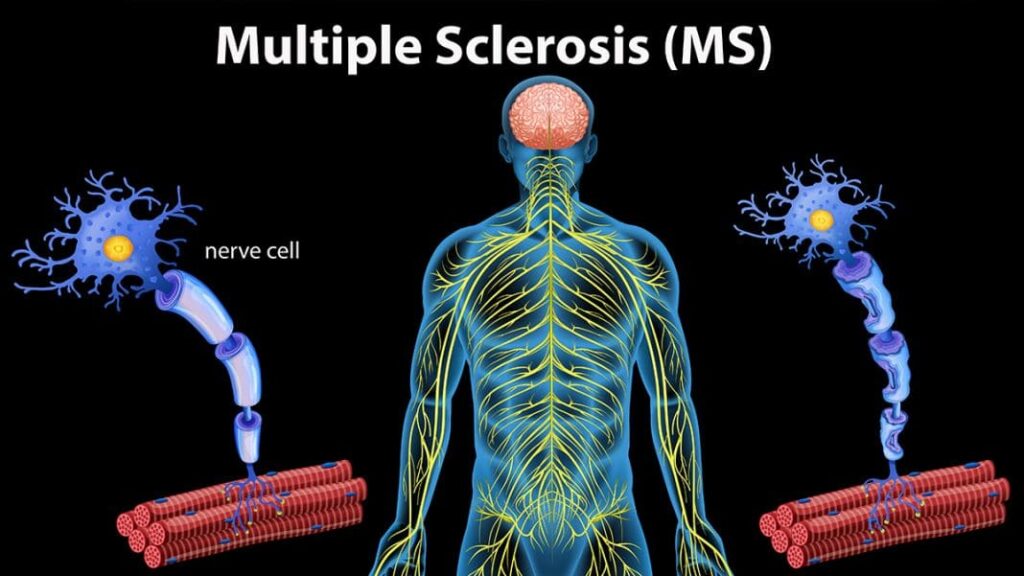
If you or someone you value has been diagnosed with Multiple Sclerosis (MS), you know the ups and downs of its symptoms. You also understand the emotional stress and the few answers the traditional medical system offers. Conventional medicine provides drugs to help manage flare-ups and slow progression. However, many MS patients seek more: more answers, more relief, and more control over their health. At the Nerve Health Institute in Lafayette, Louisiana, we take a different approach. Our team, led by Dr. Chris Cormier, DC, has spent over 27 years helping patients with chronic nervous conditions. This includes the condition called MS. We focus on finding strong, science-based therapies that tackle the root cause of problems, not just the symptoms. In this blog, we will explain how we help patients with Multiple Sclerosis. We use frequency therapy, nerve-based treatments, lifestyle changes, and our special OWL Method. You need a new direction in your MS journey if you´re reading this and if so, you’re in the right place. What Is Multiple Sclerosis? Multiple Sclerosis is a long-term autoimmune disease. In this condition, the immune system wrongly attacks the myelin sheath. This sheath protects the nerve fibers in the central nervous system. This leads to communication problems between the brain and the rest of the body. Symptoms of MS vary from person to person but often include: Although there’s no known cure, patients at the Nerve Health Institute have experienced life-changing results with a new approach to treatment. Our Philosophy: The Body Can Heal Itself At the Nerve Health Institute, we believe your body can heal itself. It can also regulate itself if you remove any interference. Dr. Chris Cormier created the OWL Method (Oxygen, Water, and Light). The goal of this unique therapy is to help the 30 trillion cells in your body work better. It also aims to lower inflammation and balance the nervous system. We use this philosophy along with advanced at-home frequency therapies and personalized health coaching. We also look closely at your daily habits to encourage natural healing. Why MS Patients Come to the Nerve Health Institute 1. Root Cause Focus We focus on finding and treating the root causes of your immune problems. This is different from regular MS treatment, which mainly suppresses symptoms. These may include environmental toxins, gut dysbiosis, chronic inflammation, emotional trauma, or hidden infections. 2. Non-Invasive, Drug-Free Solutions Our therapies are designed to support your body — not override it. MS patients often feel overwhelmed by the side effects of medications. Our non-invasive treatments reduce the toxic burden and allow your nervous system to reset. 3. Customized Frequency Therapy We use advanced frequency devices like RITM, AP, and Qi-Based Frequency Modulation. This advanced technology help retrain your nervous system. They also support immune regulation and reduce pain and fatigue. These technologies are safe, gentle, and personalized to your unique needs. What Your Holistic MS Care Treatment Program May Include Comprehensive Health Scan Every MS patient begins with a full body scan using a non-invasive assessment tools. These scans help us identify imbalances in your nervous system, immune system, gut, and energy pathways. The OWL Method Our foundational protocol focuses on: Targeted Frequency Therapy We use frequency devices to deliver therapeutic frequencies that reduce inflammation, support myelin repair, and calm the immune system. Nutritional & Lifestyle Coaching Each patient receives a personalized plan that includes: Nerve-Based Adjustments Our advanced chiropractic methods help maintain the spine properly aligned. This improves communication between the brain and body, which is important for MS patients. Real MS Natural Treatment Patient Success Stories Many of our MS patients report improvements such as: While every case is unique, the overwhelming feedback we receive is that patients finally feel seen, heard, and hopeful. Why Frequency Therapy Matters for MS Frequency is at the heart of what makes our treatment different. This therapy reads the body’s electromagnetic signals. It sends corrective frequencies back to the body to restore balance. For MS patients, this can: Unlike pills, frequency therapy works in harmony with your body. It supports self-regulation — the same way nature intended. MS Treatment That Goes Beyond Louisiana Although we base ourselves in Lafayette, our BodyChargers program now makes our protocols available globally. This virtual version of the clinic includes: This means that patients with MS can now heal naturally. They can experience the Nerve Health Institute’s approach from anywhere in the world. Start Your Healing Journey Today If you’re tired of the guesswork, side effects, or lack of progress in your MS journey, we invite you to experience a different way. At the Nerve Health Institute, we believe MS isn´t a life sentence and your body can heal. Reconnect with your body and use nature’s healing tools with MS frequency therapy. Become a new you with our MS therapy in Louisiana. Book a consultation today
Natural Heart Healing: A Patient’s Journey
Heart disease is still one of the top causes of death in the United States. For people with advanced heart failure, options often remain limited for reducing the risk. They may only have medications, implants, or heart transplants available. At the Nerve Health Institute in Lafayette, Louisiana, Dr. Chris Cormier offers hope and heart health treatment results. He uses a holistic approach to natural heart healing that focuses on the root causes of issues. This method reconnects the brain and heart with light, sound, and frequency-based healing. A Louisiana Patient’s Heartfelt Battle One patient recently came to Dr. Chris with a life-threatening condition — his heart’s ejection fraction had dropped to just 10%. For context, a healthy heart typically pumps out 55% to 70% of the blood it holds with each beat. A level below 20% often qualifies for the heart transplant list. The patient was weak, discouraged, and out of options in the conventional system. But he was not ready to give up and discovered our alternative heart therapy. Today, his ejection fraction has improved to 20%. He is getting stronger each week with our heart health program. So how did this happen in our heart health clinic in Louisiana — and what’s the secret behind this progress? The Brain-Heart Connection At the heart of Dr. Chris’s method is a simple but strong idea: the brain controls everything, even the heart. Every tiny millimeter of the heart, from its valves to its muscles and electrical nodes, must stay connected to the brain to work well. In many patients, this mind-body connection heart weakens over time. Stress, environmental toxins, diet, and emotional trauma can all contribute. These factors are common in South Louisiana’s unique lifestyle. Dr. Chris explains, “In Cajun country, our air, water, and food often work against us. The Mississippi River carries a lot of waste through Louisiana. Many of us eat seafood from the bottom that may have toxins. Add in emotional stress and poor sleep, and you’ve got the perfect storm for disease.” Frequency, Light, and Reconnection At the Nerve Health Institute, we start with advanced tests with energy medicine for healing the heart naturally. These tests find the “disconnects” between the brain and parts of the heart. We use functional medicine to address heart problems. Dr. Chris uses thousands of glass vials. These vials tune to the normal vibrations of healthy tissues. The holistic cardiology tests find where a patient’s body is weak in energy. In this patient’s case, several important parts of the heart tested weak. These include the atrioventricular node and the sinoatrial node. “These nodes are critical,” Dr. Chris says. “They govern the rhythm and power of the heart. When they’re not communicating properly with the brain, it’s like trying to drive a car with a dead battery.” Using light-based frequency therapy, the team stimulates and “resets” the normal frequencies in the body. Patients can often feel the results right away with reduced chest pains. A weak muscle test can become strong in seconds after someone restores proper resonance. Why This Approach Matters Conventional cardiology often treats heart failure with medications or surgery instead of functional medicine for the heart. But those options come with risks and non invasive heart treatments can be much better. These include taking immune-suppressing drugs for life, being more open to infections, and having problems from organs that don’t match your DNA. “This is about keeping your own heart working — not replacing it,” Dr. Chris explains. “Your heart matches your DNA perfectly since your birth.” We want to help you keep it beating strong with our energy medicine for the heart.” The goal is not just to feel better for a short time. To heal completely from the inside out is essential. This happens by restoring good communication between the nervous system and the body. Lifestyle, Habits, and Long-Term Healing Healing isn’t just about frequencies and devices. The Nerve Health Institute also focuses on lifestyle coaching. Doctors encourage patients to clean up their diet, reduce stress, and improve sleep — all factors that affect heart and brain function. Dr. Chris emphasizes the importance of personal responsibility. “This isn’t a magic pill. You have to commit to the process — change your habits, reduce toxins, and be consistent with the protocols we give you.” The patient in this story is a perfect example of what’s possible. He followed the plan, received targeted light therapy, and worked weekly with the Nerve Health team. His strength, energy, and hope have all returned. The Science of Vibrational Healing Every organ in the body has a unique vibrational frequency when healthy. When those frequencies drop — because of stress, toxins, or trauma — the tissue begins to get worse. Dr. Chris’s method is about restoring those frequencies naturally using tools like: While these methods may sound new to some, they are grounded in biophysics and supported by thousands of success stories from real patients. A Message of Hope Dr. Chris has been practicing as a healthcare professional for over 25 years. He believes that many people increase the risk and have not fully tested or improved their brain-body connection. In South Louisiana, families share health habits from one generation to the next. This lack of awareness about health is leading to heart attacks and strokes. “I could test every person and find some weakness in the heart-brain connection,” he says. “This is because no one has ever checked it properly.” Why This Matters to You If you or someone you love is facing a heart condition — or even a looming transplant — there is a treatment plan. The Nerve Health Institute is leading a new way to heal restore cardiovascular function naturally. It combines modern science with holistic wisdom and functional medicine in Lafayette, LA. The treatment options give the body a real chance to recover naturally. Conclusion: The Power of Reconnection The story of this patient, and many like him, shows that healing is possible for these medical conditions. We can heal when
EBOO Therapy: A Breakthrough in Advanced Healing Post-Covid

At the Nerve Health Institute, Dr. Chris Cormier DC and his skilled team work hard to offer advanced therapies. These therapies help the body heal naturally and improve nerve and overall health. One of our most exciting innovations is EBOO therapy. EBOO stands for Extracorporeal Blood Oxygenation and Ozonation. This is a new advancement in ozone therapy. This therapy is changing how we treat chronic conditions. It also helps detoxify the body and boost immune function. Why EBOO Therapy Matters Many practitioners in alternative and functional medicine have long recognized ozone therapy for its ability to improve oxygenation, modulate immune responses, and accelerate healing. Traditional methods like Major Autohemotherapy (MAH) and ozone insufflation work well. However, EBOO therapy offers even greater benefits. EBOO helps treat the body by filtering, oxygenating, and ozonating blood outside the body. It then safely returns the blood and the process repeats. This method supports detoxification, reduces inflammation, and revitalizes cells. Dr. Chris Cormier’s team will be using EBOO therapy as part of a complete plan. This plan helps with complex neurological conditions, autoimmune disorders, chronic fatigue, and illnesses from toxins. They help patients regain their health with clear and lasting results. What Is EBOO Therapy? Extracorporeal Blood Oxygenation and Ozonation (EBOO) is a special ozone treatment. It moves blood through a closed-loop system outside the body. EBOO is different from traditional ozone therapies. While those therapies treat small blood volumes for short times, EBOO offers continuous treatment. This helps remove toxins, improves oxygen delivery, and supports the immune system throughout the body. How it will work at the Nerve Health Institute: The Science Behind EBOO’s Healing Power At the cellular level, EBOO therapy creates profound biological changes. The enhanced oxygenation supports nerve cells and tissues often starved of oxygen due to chronic inflammation or neurological impairment. Meanwhile, the filtration process reduces the toxic burden that can impair nerve function and overall health. Key benefits include: Who Can Benefit from EBOO Therapy at the Nerve Health Institute? Dr. Cormier and his medical team will provide EBOO therapy to many patients looking for advanced integrative treatments for: Experience the Future of Healing with Dr. Chris Cormier and the Nerve Health Institute EBOO therapy is a leading method in ozone treatment and integrative medicine. This product specially supports the health of your body’s 30 trillion cells, which serve as the basic building blocks of life. Every cell in your body relies on adequate oxygen, proper detoxification, and balanced immune function to perform optimally. When toxins, inflammation, or poor circulation harm these cells, your nervous system and health can suffer. At the Nerve Health Institute, Dr. Chris Cormier and his team know that real healing starts at the cellular level. EBOO therapy enhances oxygen delivery to every cell, supercharging their ability to generate energy and repair damage. This therapy filters out harmful substances and improves blood quality. It creates a cleaner, oxygen-rich environment for your cells to thrive. This complete cell renewal is important for nerve cells. They are sensitive to a lack of oxygen and toxic buildup. Healthier cells help patients feel better. They notice improvements in nerve function, less pain, and more energy. This helps restore balance to the nervous system and the body overall. Start your healing journey today, EBOO therapy at the Nerve Health Institute may help you. Post-Covid the procedure gives an ideal boost of oxygen, reduces inflammation, and detoxifies your body. This could be the breakthrough you need. Put Yourself on our waiting list Contact us today to learn how EBOO therapy can help you. We have a high demand Post-Covid and we have a waiting list for this procedure so please contact us to reserve your place. Dr. Cormier and his caring team are here to help you restore your health, energy, nerve and cell function.
Drug-Free Diabetes Solution Transforming Lives in Lafayette, LA
A Breakthrough Way to Fight Diabetes Without Drugs or Injections — Right Here in South Louisiana Living with diabetes can feel like a life sentence of medications, injections, and endless dietary restrictions. But what if there was a better way—a painless, regenerate medicine with a non-invasive approach that actually addresses the root cause of high blood sugar and A1C issues? At the Nerve Health Institute in South Louisiana, we’re pioneering a revolutionary branch of regenerative medicine with methods to fight diabetes without relying on long-term drug use. After 24 years of experience helping thousands of patients, we’re ready to share a game-changing cellular optimization approach that could change your life—or the life of someone you love. The Problem with Traditional Diabetes Treatment Let’s face it: most people who are diagnosed with diabetes are told the same thing over and over again. While these suggestions might provide temporary relief, they don’t solve the real issue—they simply mask the symptoms. That’s why so many patients find themselves stuck in a frustrating cycle of blood sugar spikes, increased medications, and eventual complications. Worse still, the current system feels more like a revolving door of prescriptions than a path to healing. We call it the “Box”—a loop of drugs, injections, and surgeries that leave patients feeling like just another number in the system. A Root-Cause Approach to Diabetes Here at the Nerve Health Institute, we take a completely different approach. Instead of managing symptoms, we focus on identifying and correcting the root cause of the dysfunction—at the nerve and cellular level. We’ve developed a proprietary method called the OWL Method™, which stands for Oxygen, Water and light. This approach uses state-of-the-art technology combined with regenerative medicine, non-invasive tools, and tailored medicine treatment plans using Alternative, Functional and holistic healthcare methods to restore nerve and cell function and help the body do what it was designed to do: regulate itself and optimize your recovery. And yes—it’s painless, it’s non-invasive, and it works. Real People. Real Results. Meet Lily. Let’s talk about Lily. Lily came to us with type 2 diabetes, struggling with fluctuating blood sugar, fatigue, and other painful symptoms. She had tried all the usual routes—medications, sugar-free diets, supplements, injections. Nothing gave her real, lasting relief. Using the OWL Method™, we helped Lily retrain her body to naturally regulate her blood sugar and improve A1C levels—without any drugs or injections. Her results were so impressive, we knew we had to share this with the public. Click the link below to watch the full video and learn how this innovative, non-invasive solution is helping people reverse the effects of diabetes—right here in Cajun country. The 3 Biggest Lies About Diabetes Let’s bust a few myths that are keeping people stuck in the loop: 1. “You’ll have diabetes forever.” This is one of the most common—and most harmful—beliefs. While every case is different, many people can significantly improve their condition and symptoms through the right methods that address the root cause. 2. “Drugs and injections are your only option.” Not true. While medications may play a short-term role, there are other advanced, science-backed ways to support your body’s ability to heal and self-regulate. 3. “Managing blood sugar means you’re managing the problem.” Blood sugar can go up and down based on external inputs, but that doesn’t mean the underlying nerve dysfunction is being corrected. If you don’t address the why, you’ll stay stuck in the cycle. Why Big Pharma Wants to Keep You in the Box Let’s call it what it is—a money-making machine. The more prescriptions, injections, and “specialist” visits you need, the more profit flows to pharmaceutical companies. There’s very little incentive to get you off that train. The sad truth? Most patients are never told that nerve health is a critical component in metabolic function and blood sugar regulation. But that’s exactly where we start at the Nerve Health Institute. So What’s the Catch? We understand—this probably sounds too good to be true. You might even be feeling skeptical, and we don’t blame you. With all the quick fixes and false promises out there, it’s hard to know what’s real anymore. Here’s the difference: We’ve been doing this for over 24 years. We’ve helped thousands of patients right here in South Louisiana, from everyday folks to athletes and professionals dealing with chronic, frustrating conditions with our Alternative, Functional, and holistic regenerative medicine. This is not a magic bullet, and it’s not for everyone. But if you’re open to discovering a better way—one that avoids the side effects and limitations of the typical approach—then we’d love to share more with you. How to Learn More We’re so passionate about this method and the results we’ve seen, we’ve put together a full video walking you through how Lily and countless others have improved their health through our OWL Method™. 👉 You’ve tried the old way. Now try something that actually works. Final Thought If you’re feeling stuck, frustrated, or overwhelmed with your diabetes diagnosis, you don’t have to live in the “Box” forever. There is a way out—and it starts by rethinking how the body heals. At the Nerve Health Institute, we believe healing is possible when we address the source, strengthen the nervous system, and empower the body to heal itself. Book your call with us.
Katrina’s Journey: From Paralysis to New Job at The Nerve Health Institute
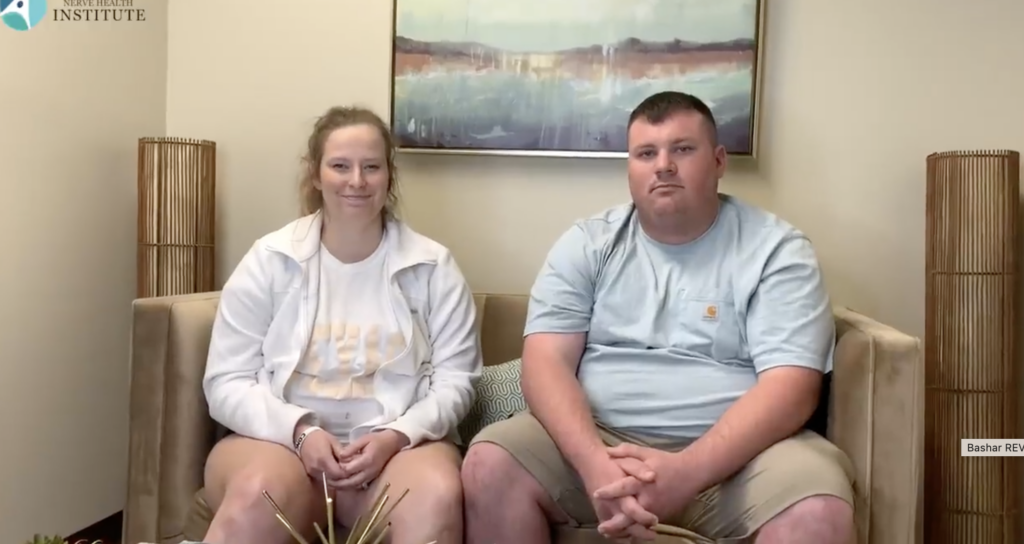
From Paralysis to Progress: Katrina’s Life-Changing Recovery at The Nerve Health Institute When tragedy strikes, it can feel like everything changes in an instant. For Katrina, a vibrant and athletic college tri-sport athlete, life took a drastic turn in October 2020 after a severe car accident left her paralyzed—with no use of her legs and almost no control over her left arm. But what happened next is not just a story of resilience. It’s a testament to the power of innovative treatments, unwavering support, and the healing community at the Nerve Health Institute in Lafayette, Louisiana. Life Before the Accident: A Strong, Active Athlete Before the crash, Katrina was the definition of health and vitality. She lived an active lifestyle, playing many different sports, fitness routines, and spending energetic time with her family. She never imagined her hectic life would take such a traumatic turn. “I was fit, in shape, and always active. I loved working out and staying busy with my family and daily life,” Katrina recalls. The Car Accident That Changed Everything In October 2020, Katrina was in a devastating car crash. The impact left her with catastrophic neurological injuries. She experienced complete paralysis, loss of bladder control, and a near-total inability to move her left arm. She couldn’t walk. She couldn’t stand. She had to relearn everything from scratch. “I don’t really remember the whole process because it’s been so traumatizing… My memory is not that great due to the severities of my injuries,” she shares. For three grueling weeks, Katrina stayed in the hospital. Despite her obvious symptoms, doctors were unable to provide answers—or hope. “They were telling us there was nothing wrong with her. They couldn’t find anything. We felt like we were losing hope.” A Turning Point: Enter the Nerve Health Institute When Katrina and her husband finally arrived at the Nerve Health Institute, everything began to shift. It only took one visit with Dr. Chris Cormier to spot the neurological damage that others had missed. “He recognized what was wrong with her legs right away,” her husband says. “He looked at us and said, ‘We’re going to get you there.’ And from that first appointment, things started to change.” What followed was a carefully customized treatment plan including: Every session brought visible progress. First three days a week, then more frequently, Katrina began regaining small movements, then feeling, then mobility. From Bedridden to Walking: A Remarkable Transformation One of the most emotional parts of Katrina’s journey was witnessing her gradual return to everyday functions that most people take for granted. “She would lie in bed and urinate on herself without even knowing it. The only way we would know is because she’d wake up from the wetness on her upper back,” her husband explains. “Now, she’s walking.” Katrina also regained function in her left arm, left foot, and fine motor control. Her coordination and balance improved. What was once an unimaginable future started becoming a beautiful reality. Hope, Support, and the Power of Love No story of healing is complete without recognizing the role of emotional support. Katrina’s husband stood by her side every step of the way. “He pushed me, even when I didn’t want to go on,” Katrina says. “He told me, ‘It’s going to hurt, but you’ve got to push through.’ And I did.” This combination of expert care from the Nerve Health Institute and unshakeable love at home fueled her recovery. A Full-Circle Moment: Katrina Joins the Nerve Health Team Fast forward to today, Katrina is not just walking—she’s thriving. She now works at the front desk of the very place that gave her life back: The Nerve Health Institute. “This was the first morning she walked into the building by herself,” Dr. Cormier shares proudly. “That smile says it all.” She’s now answering phones, greeting patients, and inspiring everyone she meets. “Still not 100%, but my goal is to jog a 5K by the end of the year,” Katrina says with a smile. “Right now, we’re in June… so I’ve got time.” Her dedication to healing and her new role as a team member is a beacon of hope to others facing long roads to recovery. What Makes the Nerve Health Institute Different? What sets Nerve Health Institute apart is not just the advanced technology—it’s the personalized, compassionate care that every patient receives. Dr. Chris Cormier and his team believe in treating the cause, not just the symptoms. By combining cutting-edge therapies with deep neurological insights, the clinic has helped thousands of patients recover from seemingly irreversible conditions. Some of the advanced treatments offered include: A Message to Anyone Losing Hope If you or someone you love is struggling with paralysis, traumatic brain injury, or chronic nerve dysfunction, Katrina’s story is proof that recovery is possible—even when traditional medicine says otherwise. “Without y’all, I don’t know if this would’ve ever happened,” her husband says, fighting back tears. “Thank you.” Katrina’s journey reminds us that healing doesn’t always follow a straight line. But with the right guidance, the right tools, and the right people—miracles happen. Visit the Nerve Health Institute in Lafayette, LA Whether you’re facing a recent diagnosis or have been living with unresolved neurological symptoms for years, it’s never too late to seek help. Nerve Health Institute offers hope, healing, and a team that treats you like family. With world-class therapies and a personalized approach, your path to recovery might just start here. 📞 Call today to schedule a consultation and to learn more about our treatments and success stories. Final Thoughts: From Tragedy to Triumph Katrina’s journey from paralysis to walking again is more than inspirational—it’s transformational. Her recovery is living proof that when cutting-edge science meets heartfelt care, anything is possible. So if you’re wondering whether it’s too late, or if recovery is out of reach—just remember Katrina. She walked into the Nerve Health Institute in a wheelchair. Today, she walks in on her own two feet.
Fat Loss Isn’t Just About Appearance—It’s About Your Lifestyle

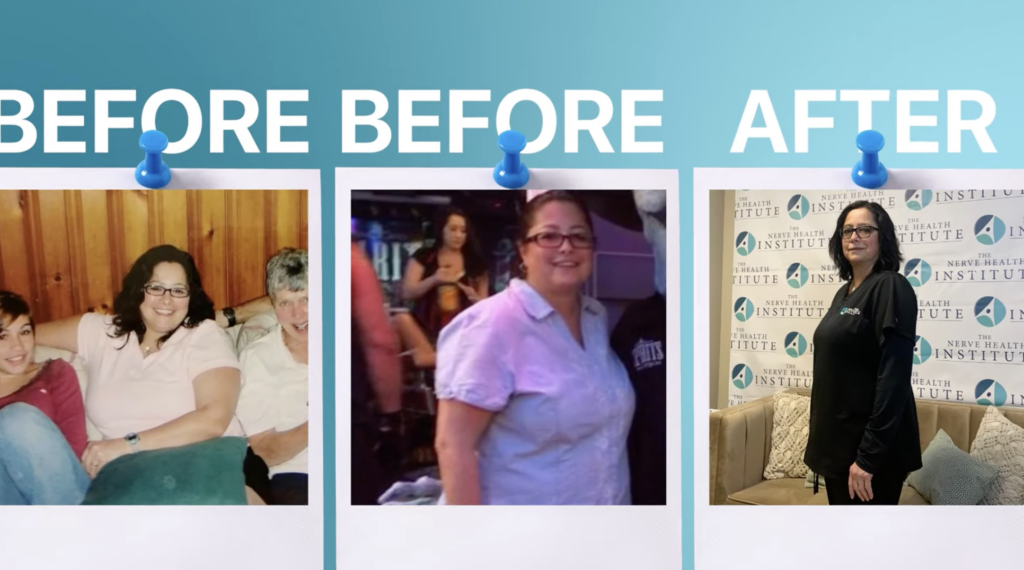
Transform Your Health: Natural Fat Loss Solutions at the Nerve Health Institute If you’re struggling with fatigue, weight gain, or simply not feeling your best, you’re not alone. Many people experience a decline in energy, mobility, and overall well-being as body fat accumulates—especially when it surrounds your vital organs. The good news? There’s a natural, science-backed solution that’s helping people reclaim their health, lose fat effectively, and feel amazing—without medications or fad diets. At the Nerve Health Institute, we’re dedicated to helping you reach optimal health through safe, non-invasive methods. Our founder, Dr. Chris Cormier DC, is leading the charge with a cutting-edge approach to fat loss that’s changing lives—and his wellness clinic is living proof that it works naturally. Fat Loss Isn’t Just About Appearance—It’s About Your Lifestyle For many, fat loss starts with a desire to look better—but it quickly becomes much more than that. When fat accumulates around your internal organs (called visceral fat), it becomes a hidden danger. You can’t see it, but it’s harming your health every day. This type of fat builds up inside your abdominal cavity, wrapping around your liver, intestines, and other vital systems. The more visceral fat you carry, the more your health suffers. You’ll notice symptoms like: That’s why our approach at the Nerve Health Institute focuses on helping you reduce internal fat safely and naturally. Dr. Chris Cormier: Leading by Example in Lafayette, LA At the Nerve Health Institute, we don’t just offer solutions—we offer lifestyle solutions. Dr. Chris Cormier recently put his own fat loss system to the test. In just 3–4 weeks, he lost 15 pounds of fat—and felt a dramatic shift in energy, clarity, and motivation. “I can’t even begin to tell you the difference in the way I feel,” says Dr. Chris Cormier. “If you’re looking for a natural solution with basically no side effects—other than feeling better—we have it here.” By using the same proprietary system he offers his patients, Dr. Chris proved just how powerful this method is. It’s natural. It’s safe. And it works fast. Our Fat Loss System: What Makes It So Different? At the Nerve Health Institute, we offer more than just a diet plan or weight loss gimmick. Our proprietary methods are designed to improve your health from the inside out—targeting the hidden fat that’s harming your organs and slowing down your body. What Sets Our System Apart? Real Stories, Real Results One recent patient had this to say after working with Dr. Chris Cormier “He exceeded my expectations. I definitely owe it to him as to why I’m back running and back on track.” Whether you’re recovering from an injury such as neck pain, stuck in a cycle of fatigue, or just want to feel like yourself again—our fat loss programs can help you reset, recharge, and return to full strength. Why You Need to Act Now The longer visceral fat goes unchecked, the more it chips away at your health. From increased risk of diabetes and heart disease to persistent low energy, it takes a toll on your quality of life. But the good news is—you can reverse it. And it doesn’t require starvation diets or expensive prescriptions. By following a plan rooted in your body’s natural ability to heal, you can: Schedule Your Consultation Today We want to help as many people as possible experience the life-changing effects of natural fat loss. Appointments fill up quickly—so don’t wait to start your journey back to health. 📍 Location: Nerve Health Institute, Lafayette, LA Fat Loss That Lasts. Health That Heals. At the Nerve Health Institute, we’re about lasting wellness change the natural way. Our fat loss program is just one part of a complete, holistic system to help you live better, longer, and stronger. If you’re ready to feel like yourself again—or even better than ever—come see us. We’ll help you lose the fat that’s been weighing you down and give your body the tools it needs to thrive. Get back on track. Start today. Contact us here.
Revolutionizing Health Care: The Owl Method and Its Impact at the Nerve Health Institute
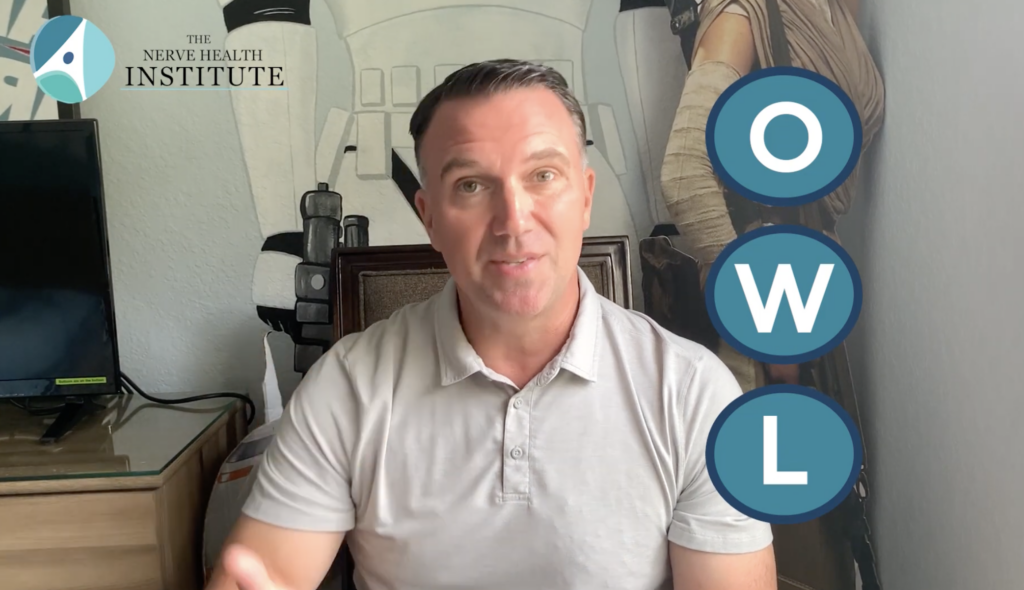
Unlocking the Future of Health Care: The Owl Method and Why It’s Revolutionizing Healing at the Nerve Health Institute At the Nerve Health Institute, we pride ourselves on offering a unique, non-conventional approach to healing, one that has helped countless patients recover faster and feel better than they ever thought possible. Our founder, Dr. Chris Cormier, has worked tirelessly to build a healthcare model that challenges the status quo and aims for true, lasting results without relying on medications, injections, or surgeries. Instead, we’ve developed a revolutionary method that focuses on addressing the root causes of health issues through a holistic and non-invasive approach. A New Approach to Health Care: Oxygen, Water, and Light We’ve all heard of traditional healthcare practices – medications, injections, and surgeries are the standard response when something goes wrong. For many people, this box of conventional healthcare is the only option they consider, and they may rely on it for their entire lives. At the Nerve Health Institute, however, we’ve created a whole new type of “box”. Rather than turning to drugs or invasive procedures right away, we focus on three essential ingredients for health: oxygen, water, and light. These elements are critical to the function of every human body, regardless of age or background, and by optimizing them, we can help the body naturally self-heal. Dr. Cormier believes that the human body has an incredible ability to heal itself when given the right support. By focusing on oxygen, water, and light therapies, we are able to provide the body with the tools it needs to recover faster, feel better, and ultimately thrive. This holistic approach is at the heart of everything we do at the Nerve Health Institute. Introducing the OWL Method: Oxygen, Water, and Light As part of our ongoing mission to revolutionize healthcare, Dr. Cormier has developed the OWL Method – a proprietary approach that combines these three foundational elements in a scientifically-backed system designed to enhance healing. The OWL Method is our core treatment model at the Nerve Health Institute, and it has already shown transformative results for countless patients dealing with a variety of conditions. The OWL Method and its Impact on Health Dr. Cormier’s dedication to learning and improving has led to the development of the OWL Method, and we’re excited to share that it’s now a book-in-progress. This book will dive deeper into how oxygen, water, and light therapies can be used to improve health, restore balance to the body, and encourage self-healing. Over the past 24 years, the Nerve Health Institute has treated thousands of patients, helping them recover from a range of health challenges, from sports injuries to chronic conditions. The OWL Method is the key to our success, allowing us to approach health in a non-invasive and natural way that yields results. What sets the OWL Method apart from traditional healthcare approaches is its ability to address the root causes of health problems rather than just masking symptoms. Whether you’re suffering from chronic pain, digestive issues, concussions, or recovery from surgery, the OWL Method can help restore balance to your body’s nervous system and promote healing. The Importance of Continuous Learning in Health Care At the Nerve Health Institute, we don’t just stick to the tried-and-true methods learned in school. While many healthcare providers use the same techniques for decades, Dr. Cormier and his team are always learning, adapting, and innovating. We understand that the field of health care is constantly evolving, and we are committed to staying ahead of the curve by continuously exploring new methods and technologies that can help our patients. Our commitment to growth and improvement means that our patients benefit from the latest advancements in health care, ensuring that they receive the best possible care. This approach has led to the creation of the OWL Method and many other cutting-edge treatments that have helped people heal faster and more effectively than ever before. Real Results: How the Nerve Health Institute is Changing Lives At the Nerve Health Institute, we’ve seen firsthand the power of our methods. Patients come to us with a variety of health issues, many of which have been unresolved by traditional medical treatments. Through the use of oxygen, water, and light therapies, we’ve been able to help individuals recover from conditions like: One of the most common treatments we provide is nerve restoration. When nerves lose power, the body’s ability to heal is compromised, and symptoms like pain, weakness, and limited mobility can persist. Through our unique therapies, we can help restore power to these nerves, which enables the body to heal itself more effectively. This process leads to faster recovery and long-term symptom relief. A New Movement: Creating Open-Minded, Self-Healing Communities One of the things that sets the Nerve Health Institute apart is our commitment to building a community of individuals who are open-minded and willing to explore new ways of healing. We’ve seen firsthand how a shift in mindset can have a profound impact on a person’s ability to heal. When patients are open to exploring new ideas and methods, they are more likely to experience positive results. We’ve worked hard to foster a community that believes in the body’s natural ability to heal and is open to exploring new and innovative treatments. As we continue to grow and evolve, we look forward to sharing more of our discoveries with the world. Thank You for Your Support Dr. Cormier and the entire Nerve Health Institute team are incredibly grateful for the support we’ve received from our patients, followers, and subscribers. Whether you’re from South Louisiana or beyond, we want to thank you for your trust in us and for allowing us to be a part of your health journey. We’re constantly learning, growing, and improving, and we’re excited to continue sharing our findings with you. If you’re dealing with a health issue that hasn’t been resolved by traditional treatments, we invite you to explore the OWL Method and experience the healing power of oxygen, water, and light for
OWL Treatment for Concussions at The Nerve Health Institute

Why the Protocol Isn’t Enough: A New Approach to Concussions at the Nerve Health Institute Understanding Concussions: Why Rest Alone Doesn’t Work If you’ve been told that “rest is best” after a concussion, you’re not alone—and you’re not being told the full truth. At the Nerve Health Institute, we work with concussion patients every day—from children to professional athletes—and we know that the traditional protocol of rest, time, and patience isn’t always enough. In fact, relying solely on standard concussion protocols can leave patients vulnerable to more injuries, longer recovery times, and even permanent neurological damage. That’s why our team at the Nerve Health Institute uses a groundbreaking, proprietary method to help our patients recover faster and more completely. Let me show you how. Real Case: Bob, Age 10 – Paralyzed by a “Minor” Hit Bob was a 10-year-old football player who took what looked like a small hit during a game. No one thought much of it—until he suddenly couldn’t move anything from the neck down. At the hospital, doctors ran every test: MRIs, CT scans, neurological exams. They found nothing wrong and recommended light physical therapy. But his condition didn’t improve—until his mother brought him to us. Within two days, Bob was running again. Sounds impossible? It’s not. Our success lies in addressing the root cause of the problem: lost neurological power. The Problem with Concussion Protocols Let’s walk through a typical scenario: Meet Johnny, an aspiring NFL football player who suffers a concussion after a hard tackle. Trainers follow the standard protocol: Here’s what’s wrong with that: 1. It Doesn’t Address the Root Cause Concussions are not just “brain bruises.” They often involve disruption to the body’s electrical system—the brain and spinal cord. These disruptions reduce the power sent from the brain to the muscles, organs, and tissues. It’s like having a house where only half the lights turn on—just because the house looks fine doesn’t mean the wiring isn’t damaged. 2. It Assumes Power Will Return on Its Own Most protocols tell athletes to rest and let the body “reboot.” But what if that reboot never fully happens? Imagine going from five bars of Wi-Fi signal to one bar—then just sitting there waiting for the full signal to return on its own. That’s what most concussion patients are told to do. 3. It Clears Athletes Too Soon Trainers may “clear” athletes who seem symptom-free, but that doesn’t mean full neurological power is restored. Many return to play at only 60% or 70% capacity, dramatically increasing the risk of further injury or long-term brain damage. This leads to increased risk of repeat concussions, permanent brain damage, or worse—chronic traumatic encephalopathy (CTE). Our Solution: The OWL Method At the Nerve Health Institute, we approach concussions through a revolutionary framework we call the OWL Method, which stands for: 🧠 Oxygen 💧 Water 🔆 Light These are the top three ingredients your brain needs to recover fast and fully from any concussion. Here’s how we do it: 1. Brain Mapping We assess the specific areas of the brain and nervous system that lost power during the injury. No guesswork—just targeted analysis. 2. Power Restoration Using advanced, non-invasive technologies, we restore neurological power to the areas affected by the concussion. This often results in near-instant improvements. 3. Oxygenation and Recovery We stimulate brain recovery with oxygen therapy and light therapy—two of the most powerful tools in modern neuroscience for healing injured brain tissue. Why This Matters Let’s return to Johnny. After traditional protocol, he thinks he’s back at 100%, but he’s only at 60% capacity. Now he’s at greater risk of re-injury, poor performance, or even a career-ending event. But with the OWL Method, Johnny is given the tools and treatment to fully recover his brain’s power, avoid long-term damage, and safely continue his career. Results That Speak for Themselves Many of our patients experience immediate improvements, even after months of stalled recovery under traditional care. Whether you’re dealing with a mild concussion or a severe neurological event, our proprietary approach has helped patients regain mobility, function, and confidence—faster than they ever thought possible. And it’s not just for athletes—our concussion care is for anyone suffering from brain fog, memory issues, dizziness, fatigue, or lingering effects of head trauma. Ready to Take the Next Step? You don’t have to wait and hope anymore.You don’t have to settle for “light PT” or another round of rest.You can get real help, real fast. Let’s find out if the Nerve Health Institute is right for you. Click the links below and you’ll find: If you’re ready to get your brain literally “back online”, The Nerve Health Institute is ready to help. Final Thoughts from Dr. Chris Cormier I’ve been helping people recover from concussions for 25+ years, and I’ve seen everything from NFL-level injuries to playground accidents. The truth is, concussions are misunderstood, underrated, and undertreated. Learn more here. But the right approach changes everything. Let us show you how. Contact us today.